


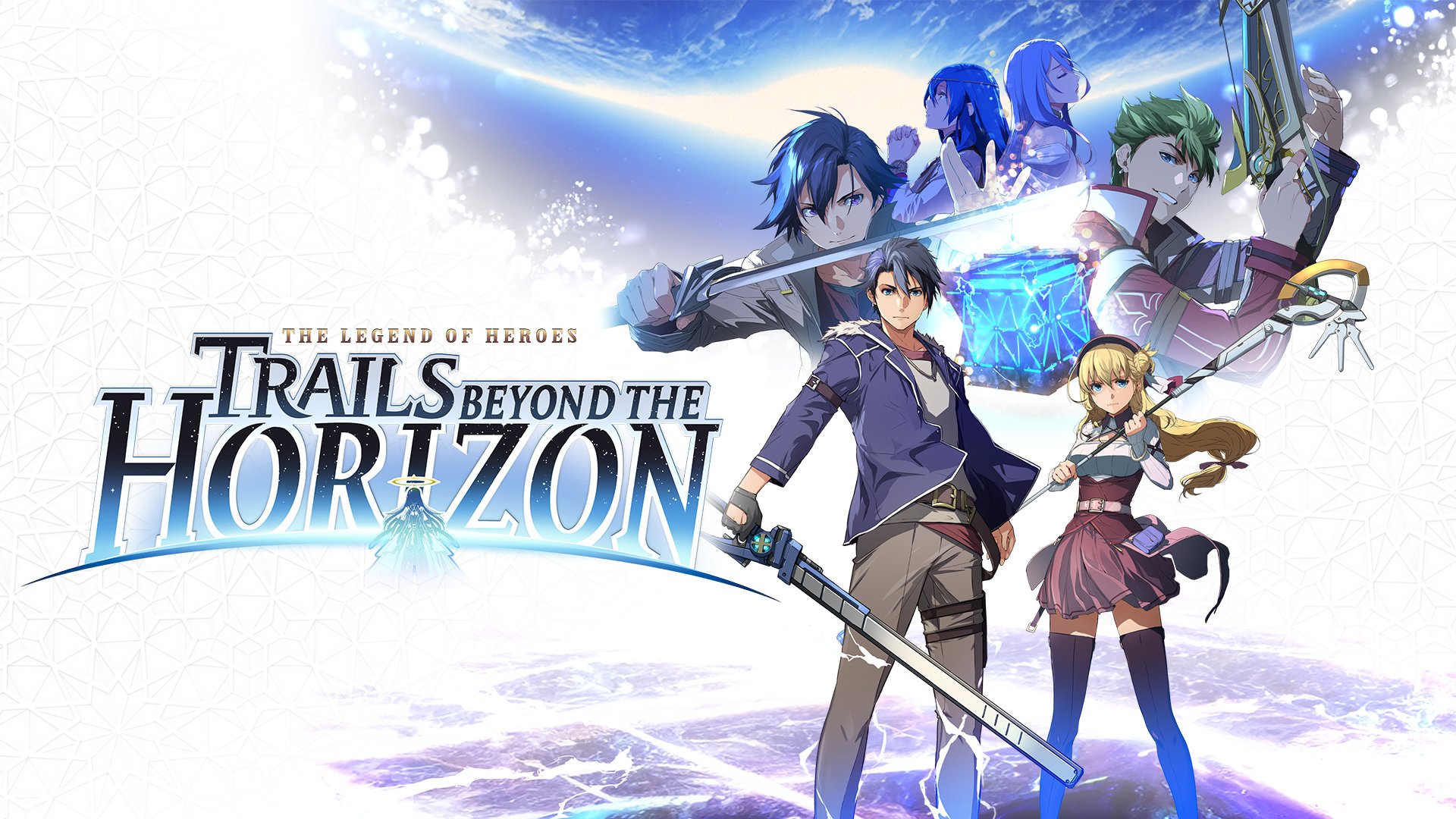
The Legend of Heroes: Trails Beyond the Horizon, from Nihon Falcom and NIS America, is a Japanese role-playing game and the latest mainline entry in the long-running Kiseki franchise. Serving as a direct sequel to The Legend of Heroes: Trails through Daybreak II, it continues the Calvard arc by once again following Van Arkride, while gradually reintroducing familiar faces from across the series. As with most Trails games, it places a heavy emphasis on narrative continuity, political intrigue, and slow-burning world-building. Learn more in our The Legend of Heroes: Trails Beyond the Horizon review!

The prophesied end of the Zemurian continent draws near, and so does the launch of humanity’s first foray into space. A sudden invitation from Marduk to cooperate in a high-tech training exercise sets Van Arkride, Ashen Chevalier Rean Schwarzer, and Father Kevin Graham on a collision course with the secrets at the very core of Zemuria.
Their paths may diverge, but the ultimate question remains the same: Just what lies beyond the edge of the horizon?
A Long-Running Franchise with Layered Continuity
Trails Beyond the Horizon is the 13th mainline game in the Kiseki series, which began with Trails in the Sky. Over the years, the franchise has explored multiple regions of the continent of Zemuria, including Liberl, Crossbell, Erebonia, and now Calvard. Each arc focuses on a different cast and political landscape, yet all of them exist within a single interconnected world. It’s now time to dive into a new game from Nihon Falcom and NIS America on PlayStation 5!
While the Trails series is often divided into sub-arcs such as Trails in the Sky, Trails from Zero and Azure, Trails of Cold Steel, and Trails through Daybreak, Beyond the Horizon is not a new sub-series. Despite its different title, this one is actually a direct sequel to Trails through Daybreak II, and its story only truly makes sense in that context. The naming conventions can be confusing, even for longtime fans, and it is not always immediately clear how each entry connects without some prior knowledge.
Is Trails Beyond the Horizon a Good Entry Point?
Technically, Trails Beyond the Horizon can be played on its own, but it is not going to be an ideal starting point. As a sequel to Trails Through Daybreak II, it functions more as a culmination of the Daybreak arc than a fresh introduction. Characters, relationships, and ongoing plotlines assume familiarity with previous events, and the game makes an effort to reintroduce its cast. Newcomers may follow the broad strokes of the story, but much of its impact relies on long-term investment in the series. This is a game designed primarily for players who already have some history with Trails.
A Slow-Burning Opening with Heavy Context
The story opens with Calvard launching its first satellite into orbit, a technological milestone that immediately stirs political tension with neighboring powers such as Erebonia and Liberl. These nations have been central to previous Trails games, and their presence here reinforces the sense that Beyond the Horizon is deeply rooted in established lore.
As a direct sequel, the game does, unfortunately, not offer a full recap of the events from Trails Through Daybreak II. Characters introduce themselves as they appear, but the sheer number of them is certainly going to be overwhelming. By roughly the eight-hour mark, the game introduced close to 30-40 characters, including playable party members and NPCs whose personal arcs began in earlier titles.
The prologue is particularly slow. It features a long tutorial where you’re introduced to a series of gameplay mechanics, which is followed by extended dialogue sequences that revisit familiar faces. Even after several hours, progression remains limited, with only a handful of small dungeons completed. As expected from a Trails game, this is an extremely story-heavy experience, and the pacing stays measured well beyond the opening hours.
Van Arkride and the Role of a Spriggan
Van Arkride returns as the central protagonist, operating as a Spriggan, a private detective who takes on cases that fall into legal gray areas avoided by both bracers and the police. This role places Van at the intersection of Calvard’s political tensions, criminal underworld, and everyday civilian struggles.
One of Van’s defining traits is his heightened sense of smell, which allows him to detect hidden clues, sense danger, and track suspicious activity. This ability reinforces his role as an investigator and gives narrative flavor to his involvement in Calvard’s growing conflicts, continuing the groundwork laid in the Daybreak games.
A Battle System That Keeps Expanding
The Trails series has steadily evolved its combat systems over time, and Beyond the Horizon continues this trend. As part of the mainline series rather than the remakes, its battle mechanics are dense and layered, introducing multiple subsystems and tutorials spread across several hours. At first, the complexity can feel overwhelming, especially with the variety of combat approaches now available. Fortunately, it is possible to focus on the core systems and gradually engage with the more advanced mechanics as needed, rather than mastering everything at once.
Real-Time Action and Turn-Based Strategy
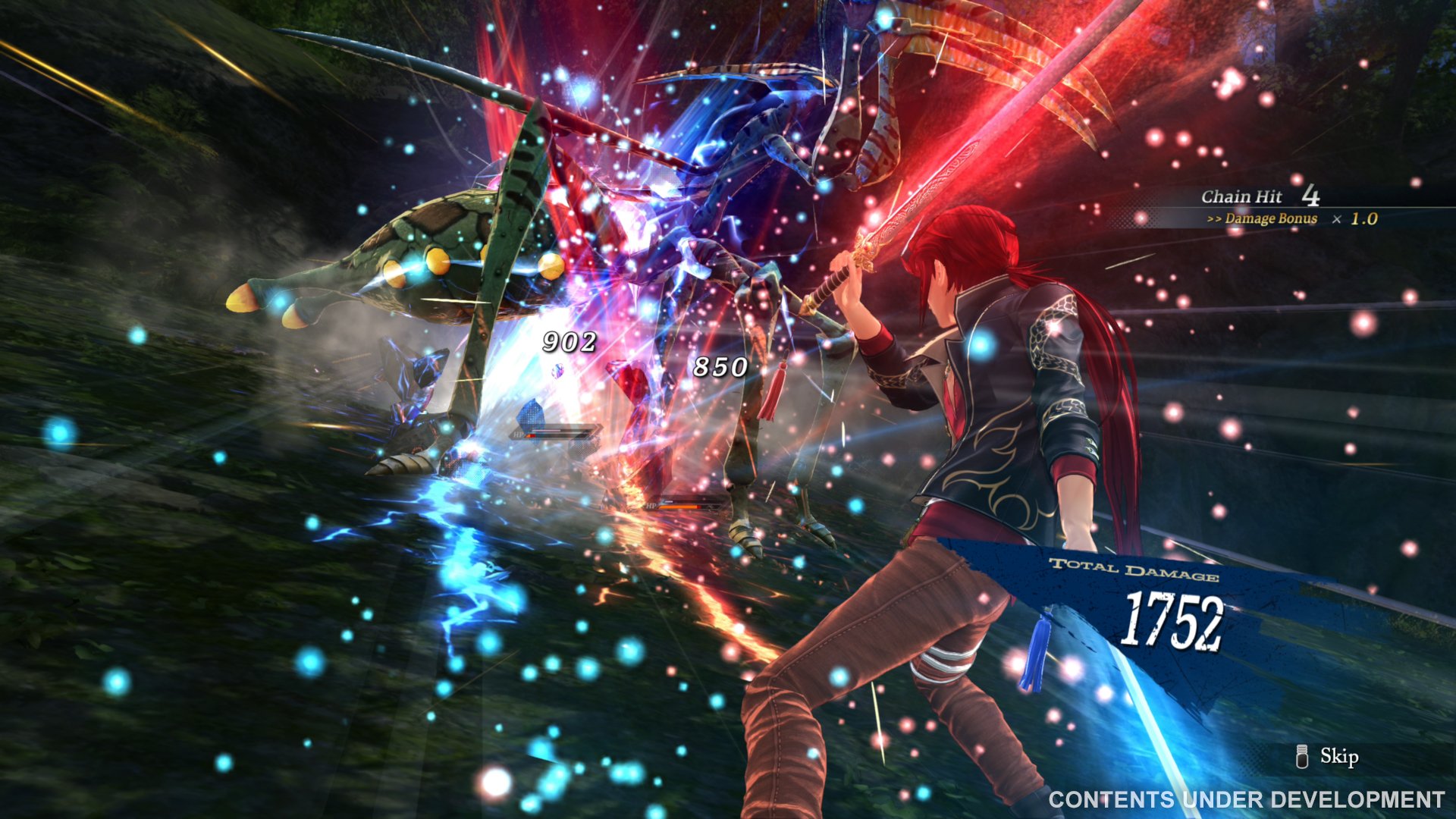
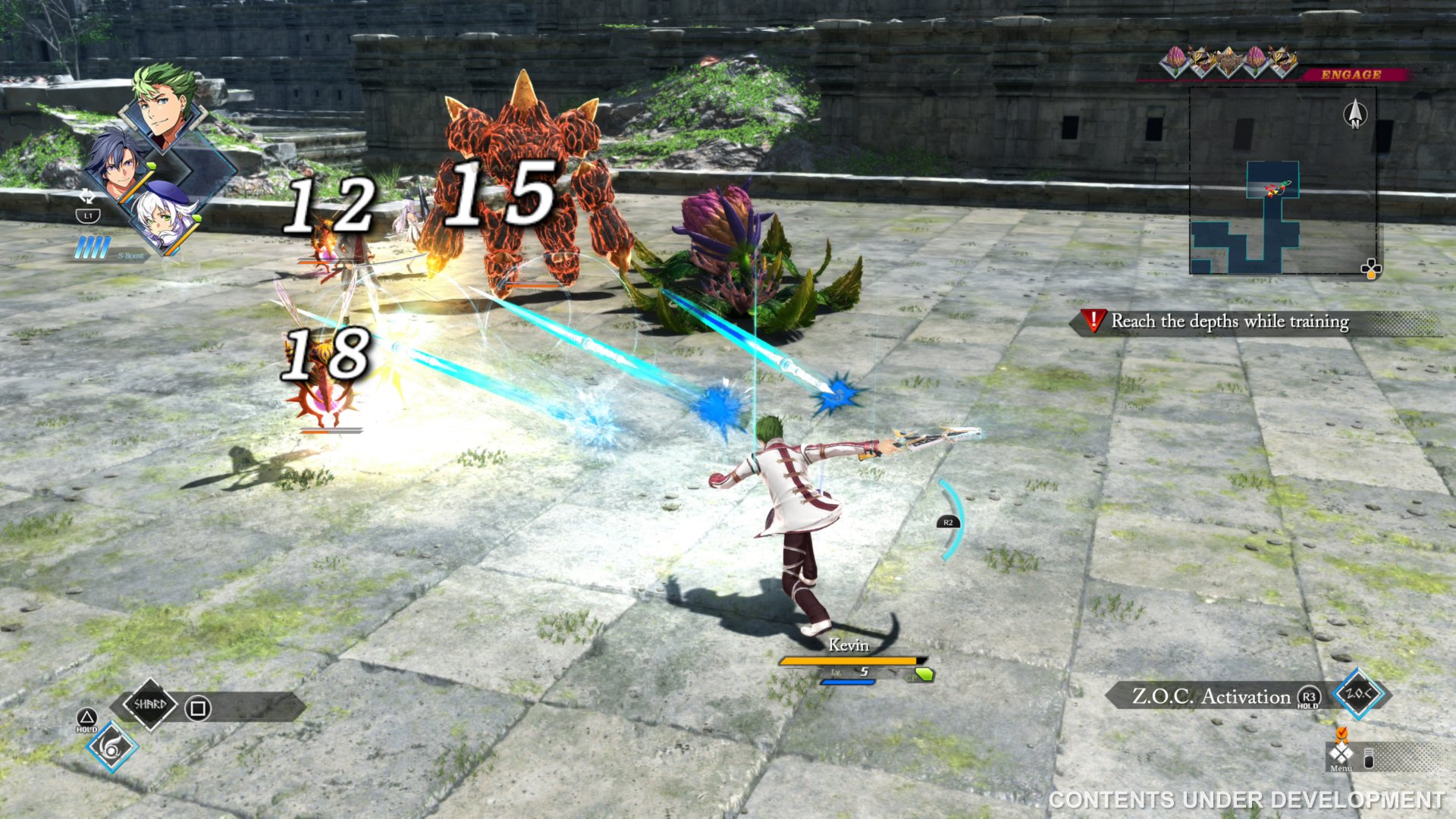
Combat begins in a real-time, action-oriented format that works well against weaker enemies. This mode emphasizes basic attacks and quick combos, allowing players to clear standard encounters efficiently. When party members are positioned close to one another, Combo Skills are triggered, letting allies follow up with additional attacks.
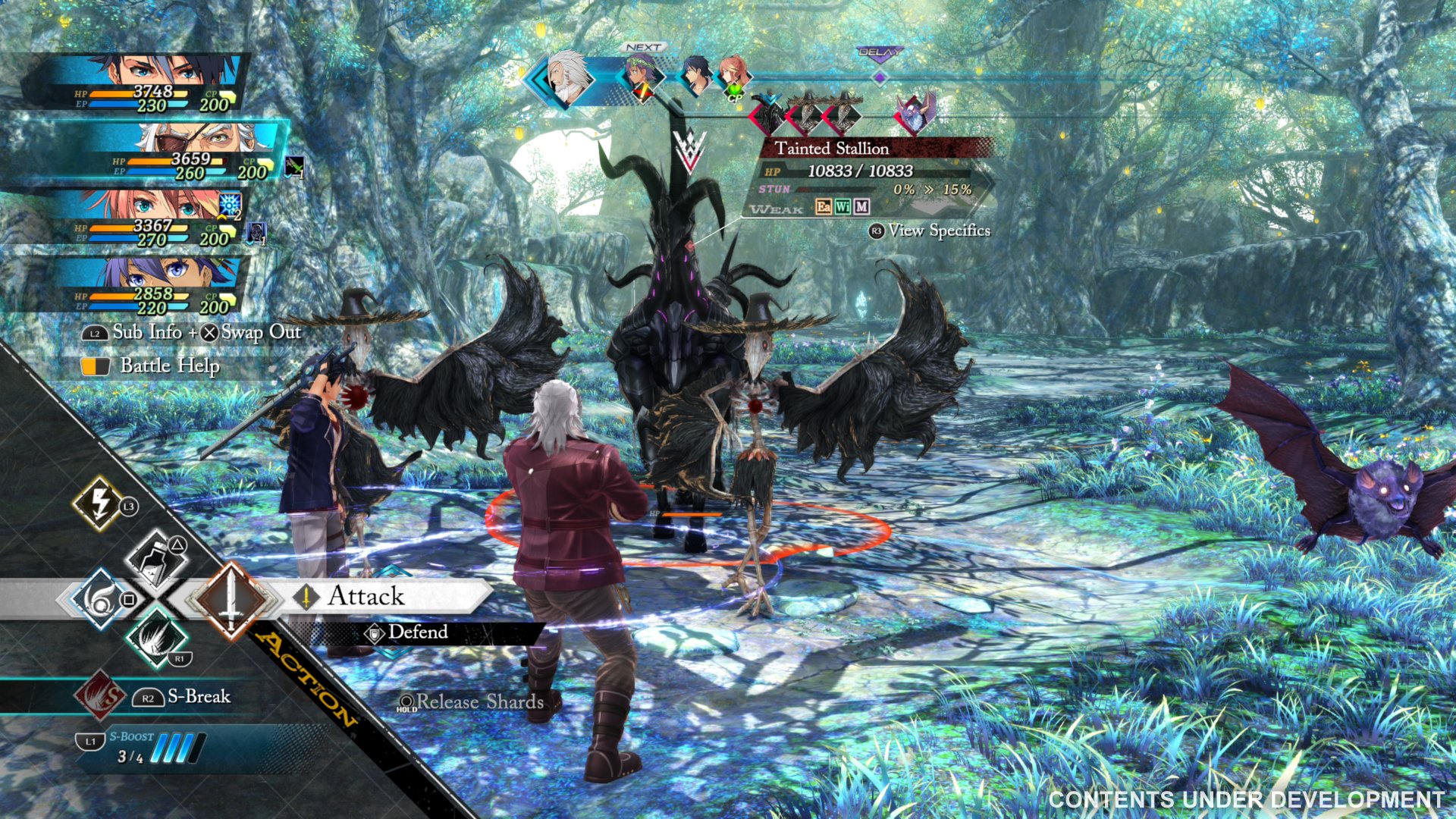
By pressing the Square button to deploy Shards, battles seamlessly transition into a turn-based system. In this mode, players gain full access to Arts and Crafts, which are essential for tougher enemies and bosses. S-Crafts return as powerful, high-impact abilities. A new addition, the ZOC system, allows players to slow time and deal heavy stun damage to enemies that are unable to defend. Positioning becomes increasingly important, as grouping allies enables stronger attacks but also exposes them to multi-target enemy strikes.
Difficulty and Player Freedom
On the normal difficulty setting, Trails Beyond the Horizon offers a fair challenge. Regular encounters are manageable, and boss battles demand attention, smart use of abilities, and an understanding of the combat systems. For players who feel overwhelmed or under-challenged, the difficulty can be adjusted freely at any time, offering flexibility without penalty.
Presentation, Sound Design and Quality of Life
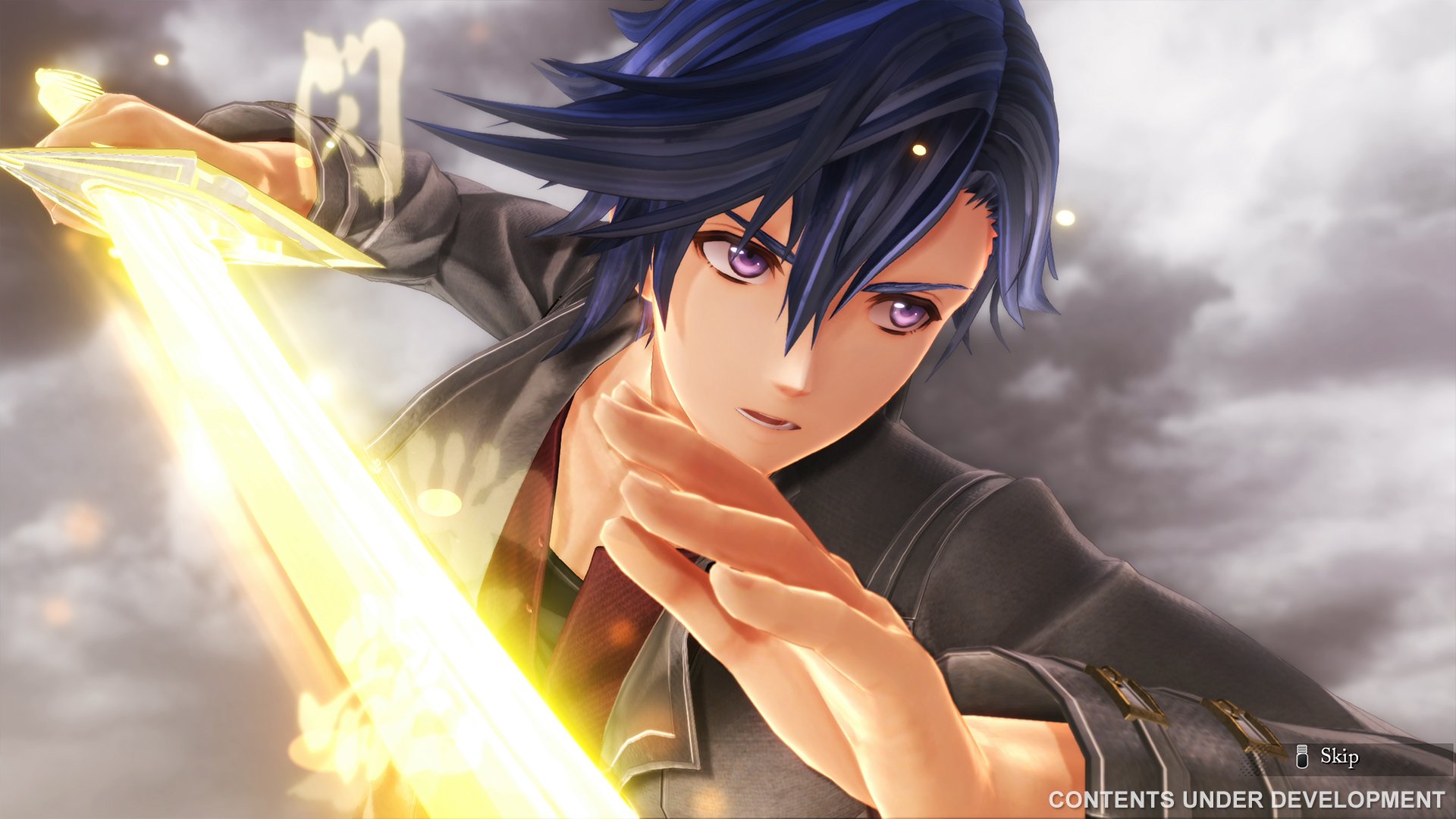
The game runs on a polished visual engine, featuring high-resolution textures, solid lighting, and anime-style character models that remain consistent with the series’ established aesthetic. Environments are detailed, and character animations are expressive enough to support the dialogue-heavy storytelling.
Falcom’s soundtrack maintains its usual quality, delivering a strong and varied score, though some tracks may not reach the memorable highs of Trails in the Sky 1st Chapter, in my personal preference. The game is fully voiced, an impressive feat given the massive cast, and performances are consistently solid. While it is enjoyable to see familiar characters return, not all of them are immediately recognizable without prior refreshers.
Several quality-of-life features help smooth the experience. High-speed mode can be activated via the DualSense touchpad, significantly reducing downtime during exploration and combat. Players can also choose between performance mode for smoother frame rates or visual quality mode for enhanced presentation, allowing the game to suit different preferences.
Conclusion
The Legend of Heroes: Trails Beyond the Horizon is a strong continuation of the Trails through Daybreak story arc, offering deep narrative payoffs and refined combat systems for longtime fans. However, it demands patience and prior knowledge to be fully appreciated. Its slow pacing, dense lore, and large cast make it a challenging entry point for newcomers, but a rewarding one for those already invested.
Players looking for a more accessible introduction to the franchise may be better served by the excellent Trails in the Sky 1st Chapter on PS5, while veterans of the series will find Beyond the Horizon to be a satisfying experience. The Legend of Heroes: Trails Beyond the Horizon is out on PlayStation 5 with a $69.99 price tag.
Disclaimer
This The Legend of Heroes: Trails Beyond the Horizon review is based on a PlayStation 5 copy provided by NIS America.